
Grieving the Death of Your Child
There are no words. And anyone who tries to find them usually makes it worse.
Your Grief Is Valid
No Parent Should Have to Carry This Alone
The death of a child defies the natural order. It is a loss so profound that language itself seems insufficient. The world keeps turning, people keep talking, and you are expected to somehow function — when the very foundation of your life has been shattered.
Whether your child was 3 or 33, whether the death was sudden or after a long illness, the grief you feel is unlike any other. Your child was not just a person you loved — they were your hope, your future, a piece of you walking through the world. And now that piece is gone.
You are not broken. You are a parent who lost a child. And what you are feeling makes complete sense.
“Children expect to eventually bury their parents, but we certainly do not expect to bury our children. That is not how things are supposed to work. Our children are our view to the future and not ever expected to be part of our past.”
— John W. James, Founder of The Grief Recovery Method
“I found myself in this really dark place. All I could feel was like I was drowning in a sea of pain… Everything crumbled away like nothing.”
— Ed Owens, who lost his 3-year-old son
“To lose a child is NOT a life sentence of pain.”
— Ed Owens
Something To Consider
Signs Your Grief May Be Incomplete
You cannot say their name without the pain flooding back
You avoid their room, their photos, or anything that reminds you of them
You feel guilt that will not let go — things you wish you had done differently
You put on a brave face for your other children or your family, but inside you are drowning
You have been told “at least you have other children” and it made you want to scream
Holidays, birthdays, and milestones feel like open wounds
You feel anger at God, at doctors, at yourself, or at them for leaving
These are not signs that something is wrong with you. They are signs of unfinished emotional business — and there are specific actions that can help.
A Parent’s Story
Grieving the Loss of a Child: Ed's Story
The Most Damaging Myth
The Lie That Keeps Parents Stuck
One of the most prevalent and damaging concepts related to the death of a child is the idea that you can never get over it. While it is impossible to ever forget your child, the idea of “never getting over it” adds a life in purgatory for the surviving parents.
This myth is repeated so often — by friends, family, support groups, even professionals — that many parents accept it as truth. They believe that to stop suffering would mean they have stopped loving their child. That is simply not true.
Recovery does not mean forgetting. Recovery does not mean you stop loving your child. Recovery means that the pain no longer overshadows every memory. It means you can think of your child and feel warmth, not just anguish. It means you can live again.
Where This Method Began
This Method Was Created by a Father Who Lost His Child
In 1977, John W. James lost his infant son. He was so devastated that he wasn’t sure life still had any meaning for him. Everything society taught him about grief — be strong, keep busy, give it time — failed him completely.
Instead of accepting a life sentence of pain, John began keeping notes on the specific steps that actually helped him move through his grief. Those notes became The Grief Recovery Handbook— now with over 1 million copies sold — and the foundation of the Grief Recovery Method used by over 1.5 million people worldwide.
Every tool in this method, every action step, every specialist trained — it all started because one father refused to believe that losing a child meant losing his own life too.
“We are not born with the skills to deal with loss. We must learn them.” — John W. James, Founder
What You May Be Hearing
Well-Meaning Words That Actually Hurt
People want to help — but most were never taught what to say when a child dies.
✘“I know how you feel.”
No one can truly know the depth of your bond with your child. Even other parents who have lost children had a different relationship. This phrase minimizes the singular, irreplaceable connection you shared.
✘“God needed another angel.”
This implies your child’s death was part of a plan — which can feel cruel rather than comforting.
✘“At least you have other children.”
Children are not interchangeable. The child you lost was a unique, irreplaceable person.
✘“Everything happens for a reason.”
There is no acceptable reason for the death of a child. This phrase tries to impose logic on something that defies it.
✘“Be strong for your other kids.”
This puts an impossible burden on you. Showing emotion is not weakness. Your other children need to see that grief is normal.
✘“Time will heal.”
Time alone heals nothing. Many parents carry unresolved grief for decades. Recovery requires action — not just the passage of time.
If you have heard any of these, it was not because people did not care. It was because they were never taught what to say. Neither were you. That is not a failure — it is a gap in what our culture teaches us about grief.
When You Are Ready
There Is a Path Through This
You may not be ready for this section yet. That is OK. Bookmark this page and come back when you are.
But when you are ready — when the weight of carrying this becomes heavier than the fear of facing it — there is a method that was built for exactly this moment.
Ed Owens is a law enforcement officer with a 23-year career. His 3.5-year-old son, Eddie Ryan, died from an accidental gunshot. Ed spent the next five years trying everything — counseling three times a week, antidepressants, seminars, drinking. None of it got to the heart of the matter.
Then he found the Grief Recovery Method. It is an evidence-based grief recovery program backed by peer-reviewed research from Kent State University. It gave him specific, concrete action steps to address the unfinished emotional business he had with his son.
The Grief Recovery Method does not ask you to “get over it” or forget your child. It helps you complete your relationship with the pain — so the love can exist without the anguish.
“Ryan taught me more about life and death after going through this experience with the Method than I would have ever taught him as a dad.”
— Ed Owens
“Please do not let your child’s legacy be that their death took away your life as well.”
— Ed Owens
Discover Unfinished Business
Identify what was left unsaid or incomplete in the relationship with your child
Move Beyond the Pain
A structured, guided process helps you say goodbye to the pain — not your child.
Honor Their Legacy
Transition from acute pain to fond memories — so your child’s life is remembered with love, not just loss
“In the beginning when I had started the program I had lost my son to a tragic car accident. After starting and completing the program I learned so much about myself, and how to process and forgive to be able to be whole again. I am at peace and I didn’t think I would ever be there.”
— GRM Participant
Take the Next Step
You Don’t Have to Do This Alone
Find Grief Support
Connect with a Certified Grief Recovery Specialist near you or online.
Find Grief SupportFree Online Course
Work through the same evidence-based grief recovery tools at your own pace.
Start the CourseHear From Others Who Have Lost a Child
All episodes →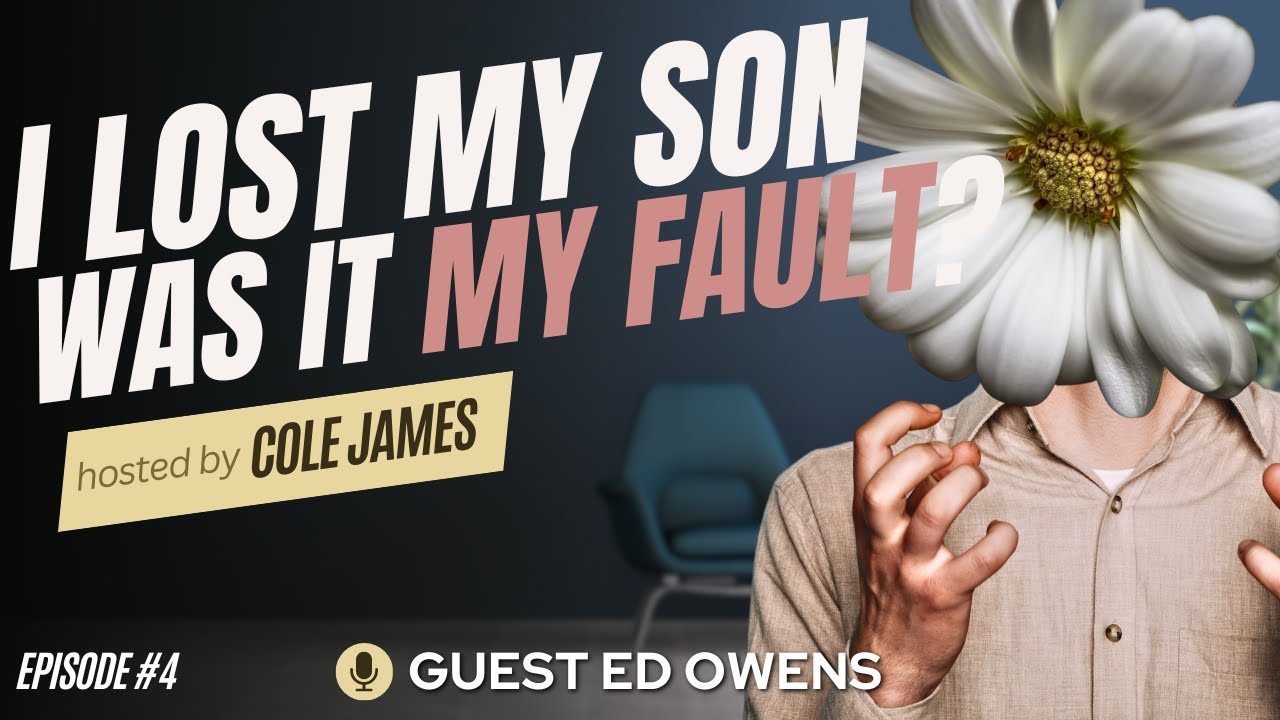
Pain, Loss, & Grief Recovery - I Lost My Son Was it My Fault? Ed Owens - VP, Grief Recovery Method
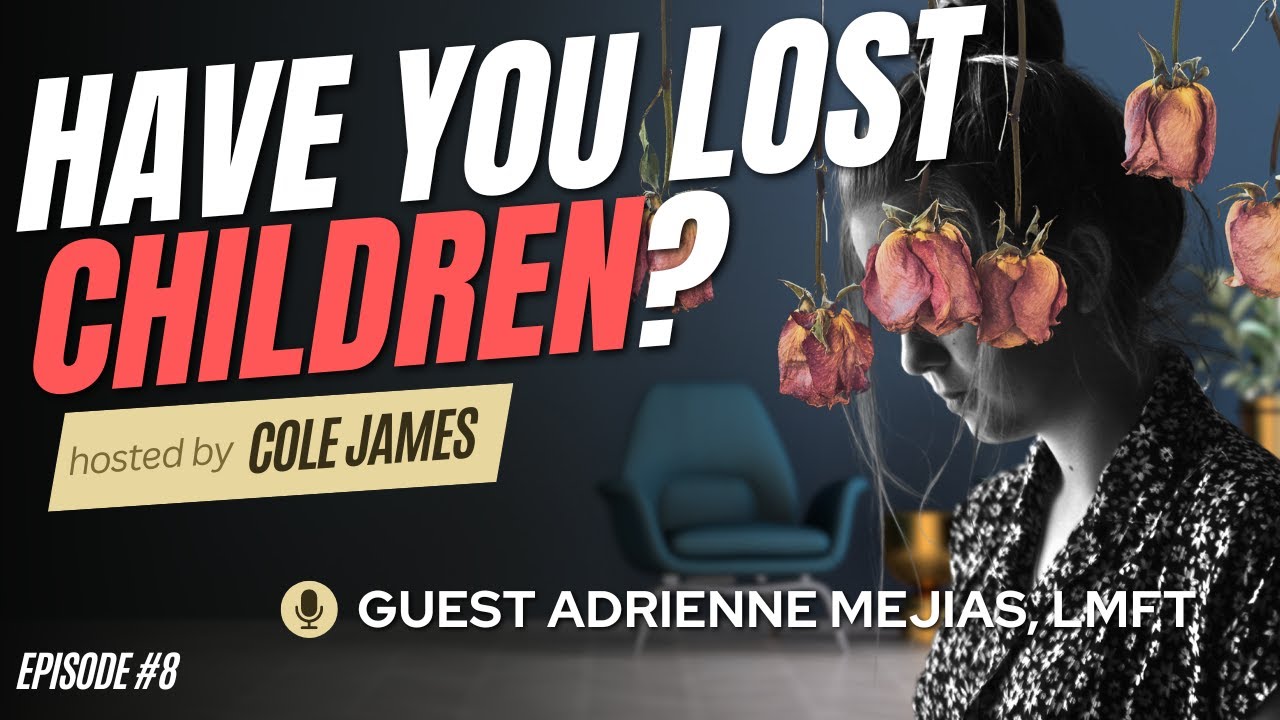
Have You Lost Children? Guest Adrienne Mejias, LMFT Tells Her Story of Losing Her 2 Kids
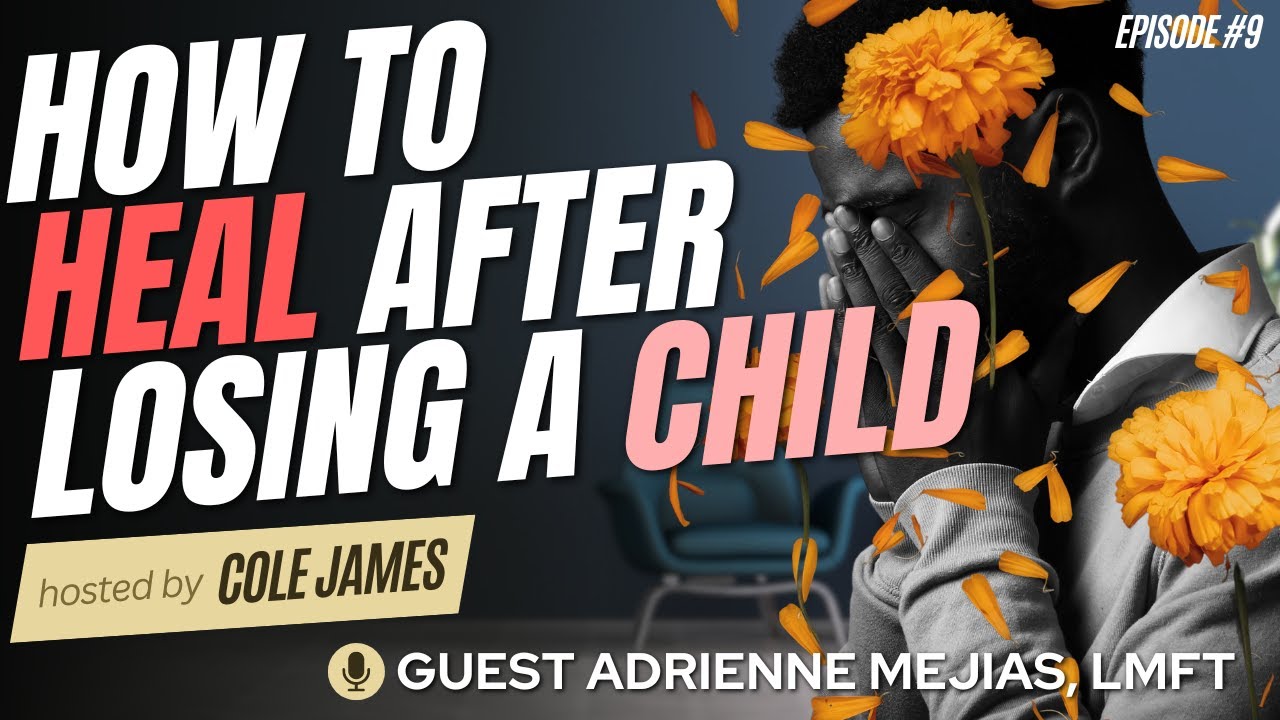
How to Heal After Losing a Child, Guest Adrienne Mejias, LMFT
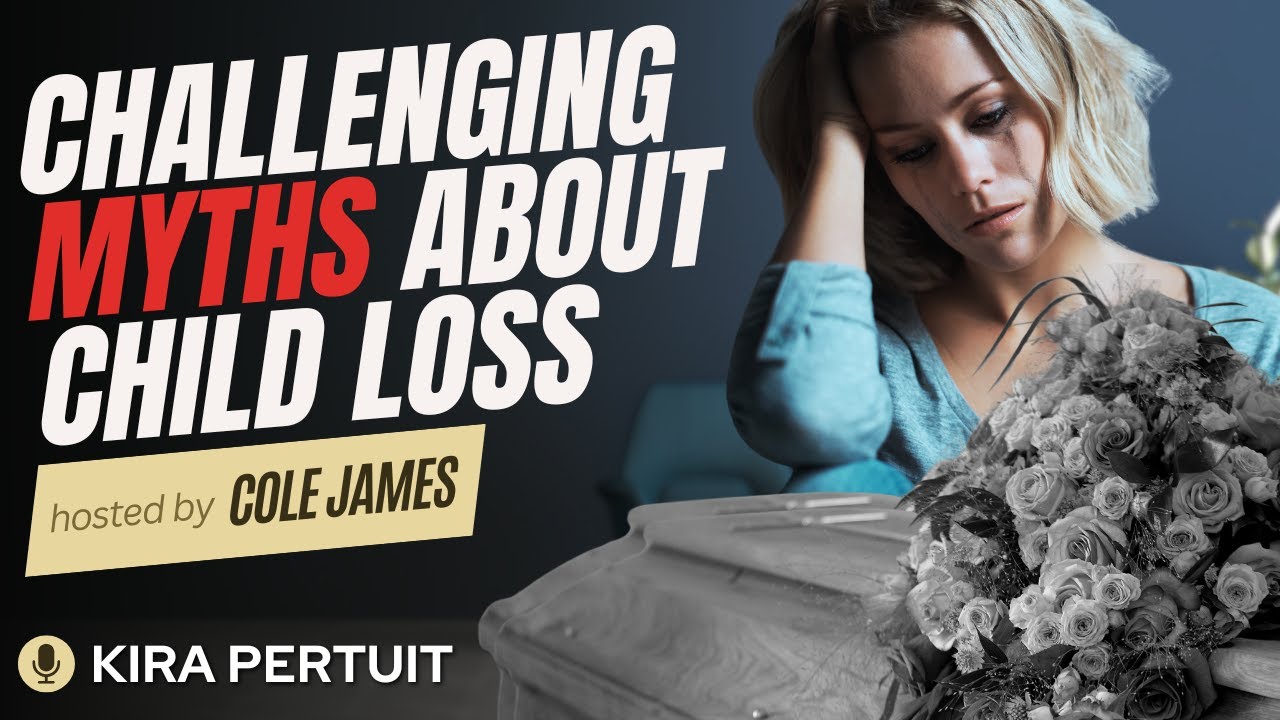
Challenging Myths About Child Loss & Finding the Right Support
How One Mother Lost Her Son, Sister, and Marriage, But Turned Tragedy Into Purpose
Real Stories of Grief Recovery
Hear From Parents Who Walked This Path
Grieving the Loss of a Child: Ed's Story
A free home base for your grief
Lost a child? There is a place here for you.
Join The Grief Commons. One free account. Inside, you will find the free online course, the full ebook library, the knowledge base, and a community moderated by certified Grief Recovery Specialists. By The Grief Recovery Method. Evidence-based since 2018.
Join The Grief Commons. Free.You Don’t Have to Do This Alone
You don’t have to figure this out alone. Start with our free quiz or find a specialist who understands what you’re going through.