










Bullying has been around for a long time. It happens whenever someone or a group sees another person as different or less important.
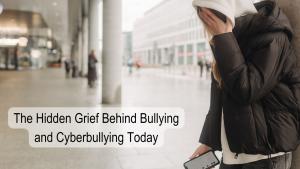
What has changed is that bullying and cyberbullying now have stronger and longer-lasting emotional effects, often unrecognized as grief.
There are many reasons why people are bullied. Often, those targeted are singled out because they are different in some way, such as:
- Appearance or size
- Learning style or abilities
- Sensitivity or emotions
- Beliefs or viewpoints
- Physical or social differences
Bullying leads to real losses, such as:
- Loss of safety
- Loss of confidence
- Loss of trust
- Loss of belonging
Three Reasons Bullying Is More Dangerous Today
Although bullying has always been around, three main factors make it more harmful today.
1. Many people were not taught how to handle failure or emotional pain
Parents and caregivers often want to protect children from being hurt, which comes from a place of love. Over time, many adults have tried to prevent disappointment by not allowing children to experience failure.
This can look like:
- Constant praise without addressing disappointment
- Awards or recognition regardless of outcome
- Reduced opportunities to learn from falling short
The problem is not kindness, but preparation. Most ways of coping with emotions are learned early in life. If you do not learn how to deal with sadness, rejection, or disappointment as a child, you may not have the tools to handle emotional pain later on.
When bullying happens, the words and actions can feel overwhelming if you do not have a way to process the feelings that come after.
2. Social media has expanded the reach of bullying
In the past, bullying usually happened at school, work, or in the neighborhood. Now, it can happen all the time.
Cyberbullying can include
- Group texts or comment threads
- Screenshots shared without context
- Videos taken or edited to embarrass someone
- Anonymous posts or messages
- Public shaming with a wide audience
Social media is not the problem by itself. Some people use it in ways that hurt others. Because online posts are hard to erase, the pain can last long after the bullying happens.
3. Many people were not taught how to deal with grief
The Grief Recovery Method teaches that grief is the normal and natural reaction to loss. Bullying always involves loss, even when it is not recognized as such.
Most people grow up hearing messages like
- Be strong
- Ignore it
- Do not let it bother you
- Time will heal it
- Other people have it worse
When children or adults share their feelings but get advice, logic, or have their feelings minimized instead of being understood, they often stop opening up. Their feelings get pushed down instead of being worked through.
The Grief Recovery Method says that unexpressed grief adds up over time. If emotional pain is not addressed, it does not go away. It stays with you and can affect your thoughts, actions, and relationships.
Why This Matters
Even when bullying ends, the emotional effects can still be there.
Unresolved grief can show up later as
- Anxiety or ongoing stress
- Anger or emotional numbness
- Withdrawal or isolation
- Low self-worth or shame
- Difficulty trusting others
- Physical symptoms commonly associated with prolonged grief
Bullying does not just happen to children. It can also happen between siblings, coworkers, neighbors, and even in marriages. Many adults do not realize these experiences are a form of grief, so the emotional pain is not resolved.
How You Can Make a Difference
Healing starts when people can share their emotional pain without being judged, analyzed, or told how to fix it.
You can help by
- Creating safe spaces for honest emotional sharing
- Listening without correcting or minimizing feelings
- Teaching children that sadness and disappointment are normal
- Learning tools that help complete emotionally painful experiences
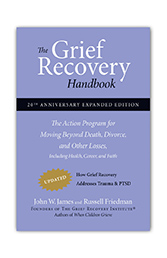
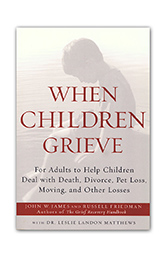
Books like When Children Grieve help parents create emotional safety before problems arise. The Grief Recovery Handbook offers step-by-step tools to help both children and adults work through unresolved grief.
Final Thought
Bullying should never be accepted. Stopping it is important, but it is not enough by itself.
The emotional pain from bullying does not just go away when the bullying stops. With the right tools to handle emotional pain, bullying loses its lasting effect on your life.
Healing does not mean forgetting what happened. It means working through the feelings that were left unresolved, so they no longer control your life now or in the future.
Want to learn more? Watch our free online grief course today!




Comments
Karen Gilroy
This really resonated with me. I work in grief support and I see the long tail of bullying all the time — adults in their 40s and 50s who can trace their difficulty trusting people back to something that happened in middle school. One client told me she still flinches when she hears a group of people laughing nearby. That was from something that happened 30 years ago. The point about cyberbullying being inescapable is so important. At least before, you could go home and close the door. Now it follows you everywhere. I've worked with teenagers who stopped eating, stopped sleeping, stopped wanting to leave their room — and the adults around them kept saying "just ignore it." As if ignoring grief ever made it go away. Thank you for naming this as grief. That reframe alone could change how we support people through it.
Add new comment